Dosing of hazardous waste liquid via kiln head burner: At the kiln head dosing point, the hazardous waste liquid is directly sprayed into the rotary kiln (where the gas temperature is approximately 1,700°C and the material temperature ranges from 1,400°C to 1,600°C) through the hazardous waste liquid burner, with a residence time of more than 10s. Under such high temperatures, the moisture in the hazardous waste liquid is evaporated, the organic components are decomposed instantly, and the heavy metals contained therein participate in reactions and are solidified into cement products.
Dosing point at kiln tail: The hazardous waste liquid is atomized by a spray gun and directly sprayed into the calciner with a temperature of 800°C–900°C, with a residence time of more than 4s and an overall system residence time of more than 14s. The moisture in the hazardous waste liquid is evaporated, the organic components are decomposed instantly, and the non-decomposable components enter the rotary kiln together with cement raw materials, where the heavy metals are solidified into cement products. Hazardous waste liquid is generally completely decomposed when it stays at a temperature above 800°C for 2s.
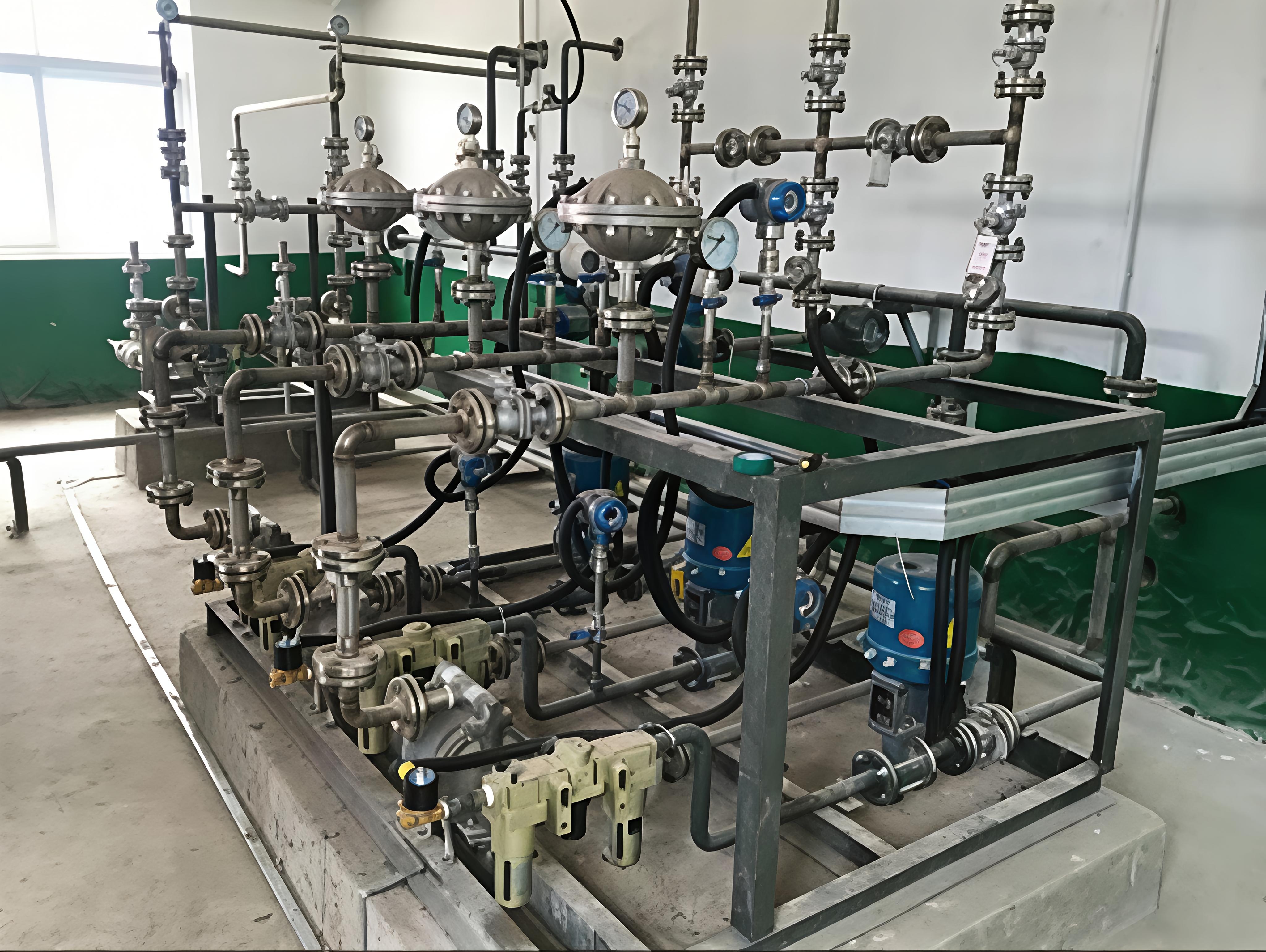
This system solves the problem of difficult disposal of hazardous waste liquid. By adopting a unique dosing process, industrial hazardous waste liquid is subjected to pumping, filtering, stirring and other processes, then atomized and sprayed out through a hazardous waste liquid burner into a cement rotary kiln for high-temperature incineration disposal. This realizes the harmless disposal of hazardous components in the hazardous waste liquid. The process features continuous spraying, automatic control, safety and reliability, and no secondary pollution. At the same time, the components with high calorific value in the hazardous waste liquid can be fully utilized to achieve harmless and resource-based treatment of hazardous waste liquid; the process route is simple, the dosing of hazardous waste liquid is unobstructed with good fluidity, and blockages are not prone to occur.
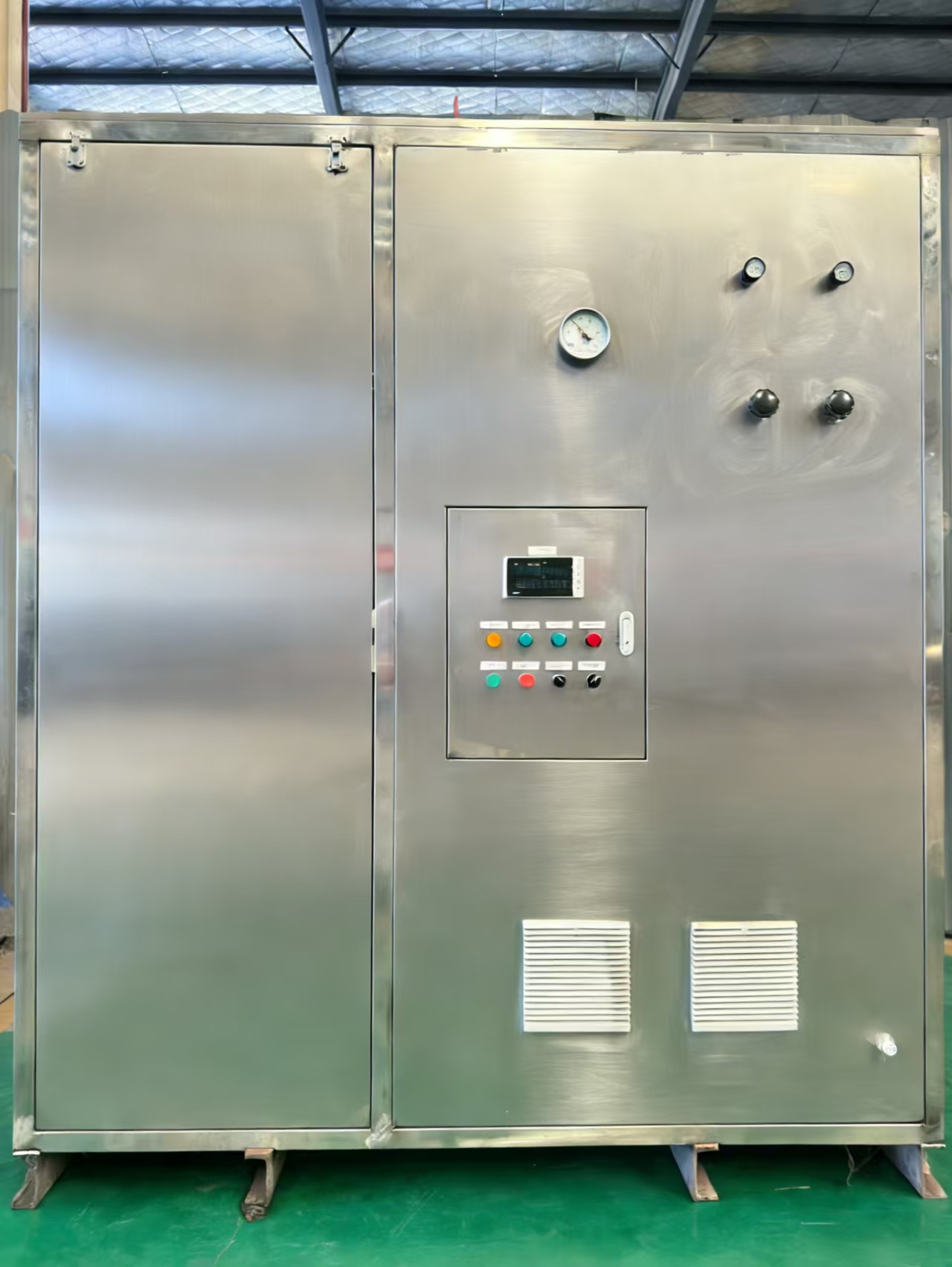
Field application photographs: